"Most companies apply for the wrong grants. I make sure you apply for the right ones."
60+
Grants executed
€5M+
EU budget managed
15
EU projects coordinated
3
Continents reached
Horizon Europe ·EIC Accelerator ·EIT Food Hub Director ·LIFE Programme ·Interreg ·ERDF ·InvestEU ·COSME ·Digital Europe ·MENA Markets ·Sczone Egypt ·East Africa ·Horizon Europe ·EIC Accelerator ·EIT Food Hub Director ·LIFE Programme ·Interreg ·ERDF ·InvestEU ·COSME ·Digital Europe ·MENA Markets ·Sczone Egypt ·East Africa ·
What I do — 01
Three ways I unlock your next stage
01 / 03
Grant Strategy & Execution
I don't just write applications. I map the entire funding landscape, identify the instruments that fit your stage and sector, and manage every step of execution — from consortium building to final reporting.
Horizon EuropeEICLIFEERDFInvestEU
02 / 03
Market Entry Advisory
Whether you're a US company entering the EU or a European startup scaling into MENA and Africa, I give you the strategic roadmap, the right local partners, and the market intelligence to move fast and right.
EU EntryMENAEast AfricaEmerging Markets
03 / 03
Strategic Retainer
For companies that need a strategic partner on an ongoing basis. I embed myself in your growth strategy — monitoring funding calls, optimising your positioning with investors and institutions, and opening doors.
Monthly RetainerFractional CSOConsortium Access
Where I operate
Who I serve
Built for companies ready to move
Profile A
European Scaleups
Series A–B companies in tech, energy, food & agritech, or nautical sectors that want to access non-dilutive EU funding and expand into new markets without burning runway on guesswork.
Need to identify the right funding instruments
Want to build or join a consortium
Expanding into MENA or Sub-Saharan Africa
Looking for a strategic partner, not just a grant writer
Profile B
American Companies Entering Europe
US companies with EU ambitions that need more than a law firm — they need someone who understands the regulatory environment, the funding ecosystem, and how to position in the European market.
Setting up EU operations for the first time
Navigating EU funding as a foreign entity
Need local partners and consortium access
Require market-specific strategy by country
Experience
Deep expertise. Real results.
Over a decade at the intersection of European institutions, private capital, and emerging markets. Not a generalist consultancy — a specialist who has sat on both sides of the table.
Former EIT Food Hub Director for Romania, Chief of Operations at Fuel SRL (15 EU projects, €5M+ managed), and Head of Acceleration at Freshmango OU. Every recommendation is grounded in execution, not theory.
Fluent in Italian, Polish, and English — able to operate natively across the EU's core innovation corridors.
60+
Grants Personally Executed
Full-cycle ownership across Horizon Europe, EIC, LIFE, ERDF, Innovation Fund, Eurostars, and cascade programmes — from call identification through consortium management and final reporting.
EIT
EIT Food Hub Director — Romania
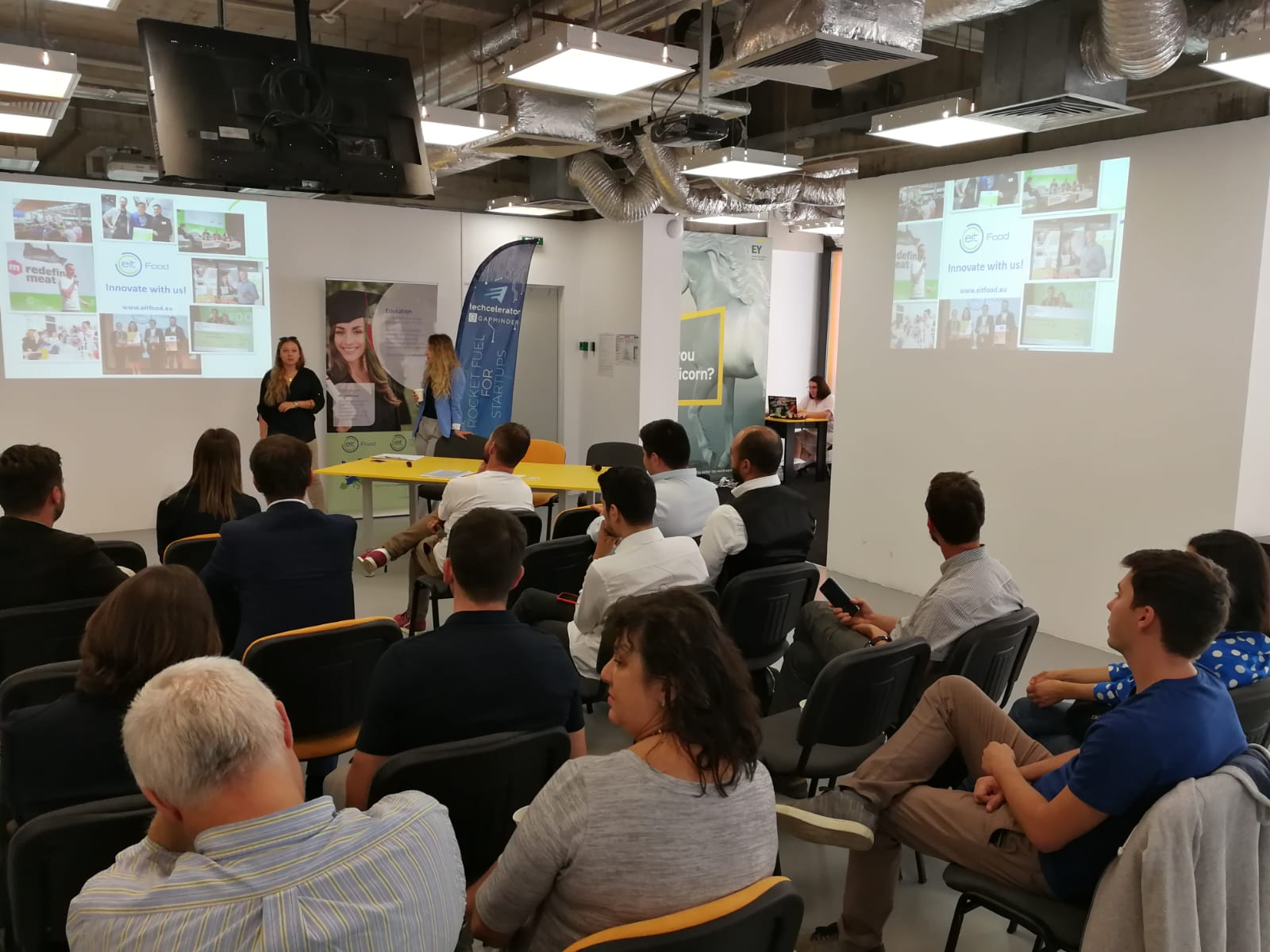
Ran Romania's national EIT Food Hub — managing the country's full agrifood innovation ecosystem, Demo Days at Techcelerator (Europe's best accelerator 2019), RIS programmes, and Horizon 2020 execution (PROTEIN2FOOD).
€5M+
EU Budget Personally Managed
Coordination of 15 EU-funded projects with a combined budget exceeding €5 million — spanning EIC, Horizon 2020, ERDF, and national programmes across technology, energy, agritech, and life sciences.
7
Emerging Market Corridors Activated
Hands-on experience bringing European companies into MENA, Rwanda, Egypt (Sczone), Kenya, and Namibia — government relations, company establishment, approvals, and contract execution.
Ready to find out which EU funds you actually qualify for?
Everything you need to capture EU capital and enter new markets.
Three focused service lines, each designed for a different stage of growth. I don't offer packages — I build strategies around your specific company profile, sector, and ambition.
"The instrument you choose determines the outcome before you write a single word."
Most companies apply for the wrong EU grant. Not because their innovation isn't fundable — but because no one has mapped their profile against the full landscape of available instruments. I do that first.
From initial eligibility audit to final reporting, I manage the entire grant lifecycle. I have personally executed over 60 grants across Horizon Europe, EIC, LIFE, ERDF, Innovation Fund, Eurostars, and cascade programmes — across technology, energy, climate tech, agritech, nautical, real estate, and defence tech (dual-use) sectors.
I also build and manage consortia. If your application requires partners — universities, research centres, industry players — I identify, approach, and structure those relationships on your behalf.
Structured preparation for EIC jury interviews — the make-or-break 45-minute session that determines 50% of final outcomes.
Instruments I work with
Horizon Europe
€1M–€10MTRL 2–6All sectors
EIC Pathfinder & Transition
Up to €4MTRL 1–5Deep tech
EIC Accelerator
Up to €2.5M + €10M equityTRL 6–8Any sector
EIC STEP Scale Up
€10–30M equityTRL 8–9Digital · Clean · Biotech
Innovation Fund (IF25, IF26)
€1.8M–€216MTRL 6–9CleanTech · Net-zero
LIFE Programme
€1M–€5MTRL 5–8Climate · Nature · Circular
Eurostars · Interreg · ERDF
€300K–€500K+TRL 3+Cross-border · Regional
Cascade Grants
€50K–€200KTRL 6+Agrifood · SMEs
Digital Europe & IRIS²
Up to €20MTRL 7–9AI · Space · Connectivity
Regional Grants
Varies by regionAll TRLItaly · Poland · Spain · Germany
02 / 03
Market Entry Advisory
"A great product without the right market entry strategy is just a great idea waiting to fail."
I work with two distinct client profiles: European scaleups expanding into MENA and Sub-Saharan Africa, and American companies entering the European market for the first time.
Both require the same thing: a strategic partner who has already been there. I have personally activated market entry corridors in Egypt's Sczone, Rwanda, Kenya, Namibia, and across the MENA region — and guided US companies through EU regulatory environments, partner ecosystems, and funding access as foreign entities.
I don't deliver market reports. I give you the contacts, the positioning, and the execution plan — grounded in relationships built on the ground.
Regulatory environment, competitive positioning, sector-specific entry barriers, and opportunity mapping for your target geography.
Partner & Distributor Identification
Active introduction to vetted local partners, distributors, government contacts, and innovation intermediaries. Not a list — warm introductions.
Go-to-Market Roadmap
A 12–24 month phased entry plan with milestones, resource requirements, risk factors, and decision gates. Built around your actual capacity.
Regulatory & Institutional Navigation
From EU AI Act to Sczone special economic zone requirements — I map the regulatory landscape and connect you with the right local advisors where needed.
Funding Integration (EU + Local)
Identify EU funding instruments that support international expansion activities — often overlooked by companies who treat grant strategy as separate from market entry.
Where I operate
European Union
Italy · Poland · Spain · Germany
— National and regional grant programmes
— Market entry strategy and execution
— Subsidiary establishment and structuring
— VC & angel network introductions
— Local banking relationships
MENA Region
Middle East & North Africa
— Market entry advisory
— VISA and residence applications
— Office establishment and compliance
— VC & angel network connections
— Regional banking relationships
Egypt — Sczone
Suez Canal Special Economic Zone
— Company establishment within the Sczone
— Investor status applications
— Land acquisition and licensing
— Innovation finance and angel access
— Bank relationship management
East & Southern Africa
Rwanda · Kenya · Namibia
— Market entry strategy
— Entity creation and structuring
— Investor status and incentive access
— VC & angel ecosystem navigation
— Government and banking relationships
03 / 03
Strategic Retainer
"The companies that consistently access EU funding don't apply once. They have a system."
For companies that need an ongoing strategic partner rather than a one-off engagement. I embed into your team on a monthly basis — acting as a fractional Chief Strategy Officer for funding and growth.
This is ideal for pre-seed to Series B companies that want to build a multi-year EU funding pipeline, for companies expanding into new markets, and for innovation managers who need senior expertise without the overhead of a full-time hire.
You get priority access to my consortium network, early intelligence on upcoming calls, and a strategic partner who knows your company deeply enough to respond to opportunities in days, not weeks.
I track every relevant open call across all EU programmes and alert you to opportunities before deadlines become urgent.
Monthly Strategy Sessions (×2)
Two dedicated 45-minute sessions per month to review pipeline, discuss strategic decisions, and align on priorities — funding, market entry, and partnerships.
Consortium Network Access
Priority introductions to my network of universities, research centres, and industry partners actively building Horizon consortia.
Application Support
One full grant application per 6-month retainer period is included. Additional applications during the retainer are executed at a 30% reduction on standard project fees.
Priority Response
48-hour turnaround on eligibility checks, opportunity assessments, and strategic questions. No queuing behind project clients.
Best fit for
Pre-seed to Series B
Building a multi-year EU funding pipeline
Innovation Managers
Without dedicated grant expertise in-house
Companies Scaling
Entering new markets internationally
European SMEs
Developing presence in the EU market
US Companies
Needing ongoing EU ecosystem navigation
The approach — 02
How the work actually gets done.
Start with the small pieces.
Strategy doesn't begin at the 30,000-foot view. It begins with fragments — a regulation here, a call deadline there, a market signal, a team gap, a technology readiness level. Every piece of information is collected, mapped, and assessed before a single strategic line is drawn. The big picture emerges from the small pieces — never the other way around.
01
02
Build the path objective by objective.
The strategy that results from this process is never a single leap. It's a sequence — each objective defined, resourced, and reached before the next one opens. This isn't caution. It's how complex EU processes and market entries actually work. Foundations first, scale second. The companies that try to skip steps are the ones that lose six months of work to an application that was never ready to win.
Become part of the team.
The client relationship isn't transactional. I don't deliver a report and exit. I become a strategic member of your team — embedded enough to understand your technology, your ambitions, and your constraints, and present enough to adapt the strategy when conditions change. The best outcomes come from genuine partnership, not periodic check-ins.
03
04
Use every tool — including AI.
Digital tools and AI-powered analysis — including digital twin modelling for market simulation and grant landscape mapping — are active parts of the toolkit. They accelerate research, surface patterns across funding databases, and stress-test strategic assumptions before resources are committed. But they are tools, not substitutes. Technology informs the strategy. Human judgment, relationships, and accountability execute it.
Human interaction cannot be replaced.
EU funding and market entry are fundamentally relational. Consortium partners are found through conversations, not databases. Evaluator psychology is read in rooms, not algorithms. Ministerial relationships in Rwanda, Sczone negotiations in Egypt, jury preparation — none of it happened through software. The sophistication of the digital tools used only makes the human dimension more, not less, important.
05
06
Honest advice, always.
If your application isn't ready, you'll hear it clearly — along with exactly what needs to change and how long it will take. If the wrong instrument is being considered, I'll say so before a single word is written. The advisory exists to protect your time, your credibility with evaluators, and your growth trajectory. That sometimes means recommending against applying. That is the service.
"I don't start at the bigger picture. I collect every small piece — every bit of information, every possibility, every constraint — and build the strategy from the ground up. The path to the objective becomes clear only when you understand all the components that shape it."
— Claudia Adler, Founder · Vektor Advisory
Investment — 04
Transparent pricing. No surprises.
One-off
Funding Audit
€400
A deep-dive assessment of your fundability — which instruments fit, which to avoid, and what needs strengthening before you apply.
Over 60 grants executed. Three continents. Ministries, special economic zones, and EIT programmes. This is what 12 years of doing the work actually looks like.
Horizon Europe evaluator · EIT Health expert · EIT Food Hub, Romania.
The story — 01
Why Vektor exists.
Most EU grant consultants are generalists. They write applications, charge a fee, and move on. The result is companies that apply for the wrong instrument, waste six months, and conclude that EU funding doesn't work for them.
It does. They just needed the right strategy before they started writing.
Vektor Advisory was built from a different starting point: 12 years of doing the work — personally executing over 60 grants, running the national EIT Food Hub for Romania, bringing companies into markets most consultants have never visited, and sitting across the table from ministers, economic zone directors, and jury panels.
And I sit on the other side of that table too. As a Horizon Europe evaluator and an EIT Health expert, I've scored the applications most consultants only submit — so I know exactly what a jury rewards, and what quietly sinks a proposal before it ever reaches the shortlist.
The advisory doesn't exist to fill in forms. It exists to make sure you never apply for the wrong grant, enter the wrong market, or leave fundable innovation on the table because no one with real experience was in your corner.
2025—
Founder — Vektor Advisory
Independent EU grant strategy and market entry consultancy. Helping European scaleups secure non-dilutive EU funding and guiding companies into new markets — with the execution depth that changes outcomes.
2025—
Head of Acceleration & Grant Expert — Freshmango OU
Chief of Operations: leading acceleration programmes, grant funding strategy, mentor management, and startup development for a pan-European innovation platform.
2019–25
Chief of Operations — Fuel SRL
Six years managing a startup incubator portfolio across agritech, energy, and cybersecurity. VC & investor scouting, EU project management (15 projects, €5M+ budget), long-term strategy, and partnerships. Multiple successful EIC applications executed across the portfolio, alongside market entry mandates into MENA and East Africa.
2019–20
EIT Food Hub Director — Romania
Ran Romania's national EIT Food hub — 50+ stakeholder network, Demo Days at Techcelerator (Europe's best accelerator 2019), Innovation Prize and Rising Food Stars pipeline, RIS Fellowships, GEA recruitment, and Horizon 2020 PROTEIN2FOOD (SEP-210177524) execution.
2018–20
Expansion Officer & Project Manager — The Hive Business Accelerator
International expansion and relations, startup scouting, project development and implementation, and strategic partnership development across European markets.
How I work — 05
From first call to funded project.
01
Discovery Call
30 minutes. I listen to your company, stage, sector, and goals. I give you an honest first read on fundability — no obligation.
02
Funding Audit
I map your profile against the full EU funding landscape and deliver a ranked shortlist of instruments worth pursuing — with reasoning.
03
Strategy & Execution
I agree on target calls, build the application plan, assemble the consortium if needed, and execute with you over 8–16 weeks.
04
Submission & Beyond
I submit, prepare you for any evaluation stages, and manage the project post-award. The relationship doesn't end at submission.
Markets — 02
On the ground in three continents.
🇷🇼
Rwanda
Government Collaboration · Innovation Implementation
Collaborated directly with the Rwandan government on cross-ministerial innovation projects — meeting and working with the Ministers of Education, Health, Energy, Agriculture, and Finance. Responsible for implementing innovative projects across all five ministries, navigating both institutional relationships and on-the-ground execution in one of Africa's fastest-growing innovation ecosystems.
🇪🇬
Egypt — Sczone
Special Economic Zone · End-to-End Execution
Led the development of 5 distinct projects inside Egypt's Suez Canal Special Economic Zone — spanning hydrogen storage, pharmaceutical development, waste-to-energy, and industrial waste management. Handled the full execution chain: establishing international contacts, incorporating companies within the Sczone, negotiating and securing land allocation, obtaining all regulatory approvals, and signing operational contracts.
🇳🇦
Namibia
Green Economy · Carbon Credits · Telecom
Worked on green coal transition projects, carbon credit programme development, and telecommunications infrastructure in Namibia — one of Southern Africa's most strategically important markets for the energy transition. Experience spans the full journey from project structuring through implementation and stakeholder alignment.
🇪🇺
European Union
EIT Food Hub Director · EU Programme Management · US Market Entry
Ran the Romanian national hub of EIT Food — responsible for activating the full country ecosystem across business, higher education, and research institutions. Deep familiarity with the EU institutional landscape, from EIT Knowledge and Innovation Communities through Enterprise Europe Network and national agency layers. Proven track record helping non-EU companies establish a presence and access EU funding.
🇦🇪
MENA Region
Market Entry · Strategic Partnerships
Experience bringing European technology and innovation companies into the broader MENA corridor, with particular depth in the Gulf and North African markets. Understanding of how EU funding instruments can de-risk MENA expansion when structured correctly.
🇺🇸
United States → EU
EU Entry Strategy · Regulatory Navigation
Specialised experience guiding US companies through their first European market entry — navigating EU regulatory requirements, identifying the right EU partner ecosystem, and structuring access to EU non-dilutive funding as a foreign entity in consortium.
A selection of engagements from 60+ grants executed and market activations across three continents. Projects are described with context but company names withheld unless otherwise indicated.
Health infrastructure and modular hospital models in Rwanda
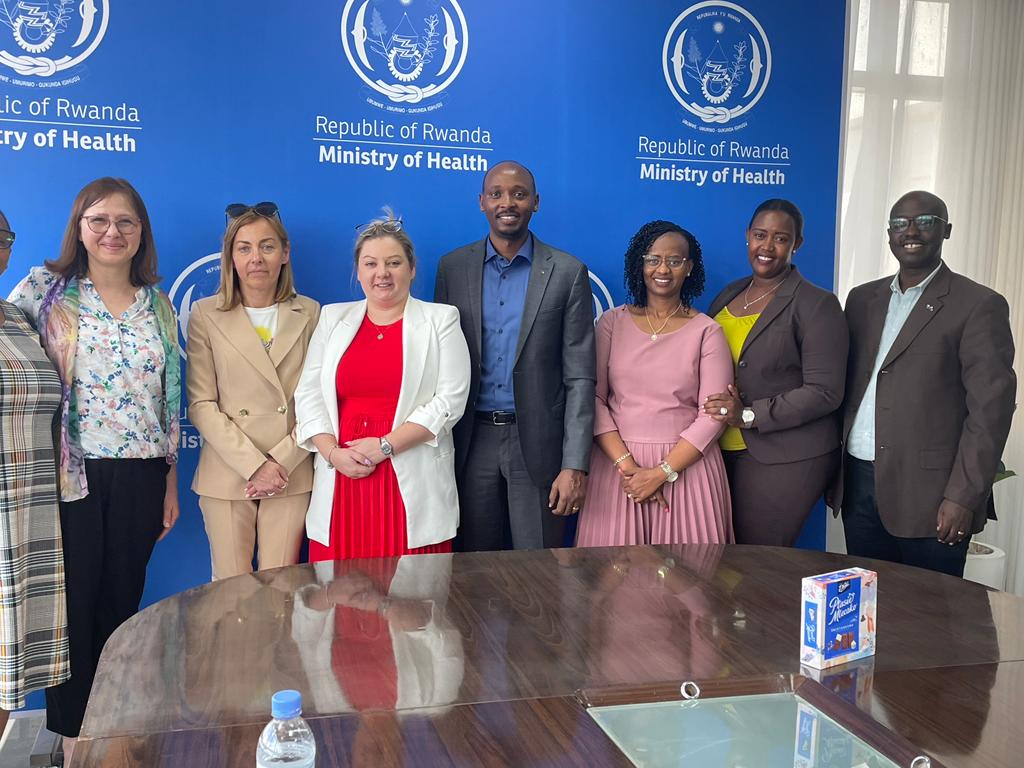
Collaborated with Rwanda's Ministry of Health on a project covering two connected priorities: renovation and restructuring of clinics in Kigali, and the implementation of modular hospital models including OB-GYN, PET, and CT scan capabilities. The engagement also included the concept for a dental centre using innovative methods dedicated to artificial bone growth, with medical tourism potential from neighbouring countries.
The mandate
Translate advanced European medical infrastructure concepts into a practical, ministry-aligned implementation model for Kigali's clinical system.
Focus areas
→Clinic renovation and restructuring programme designed for Kigali
→Modular hospital concepts including OB-GYN, PET, and CT scan capabilities
→Dental centre concept focused on artificial bone growth methods
→Positioning for regional medical tourism from neighbouring countries
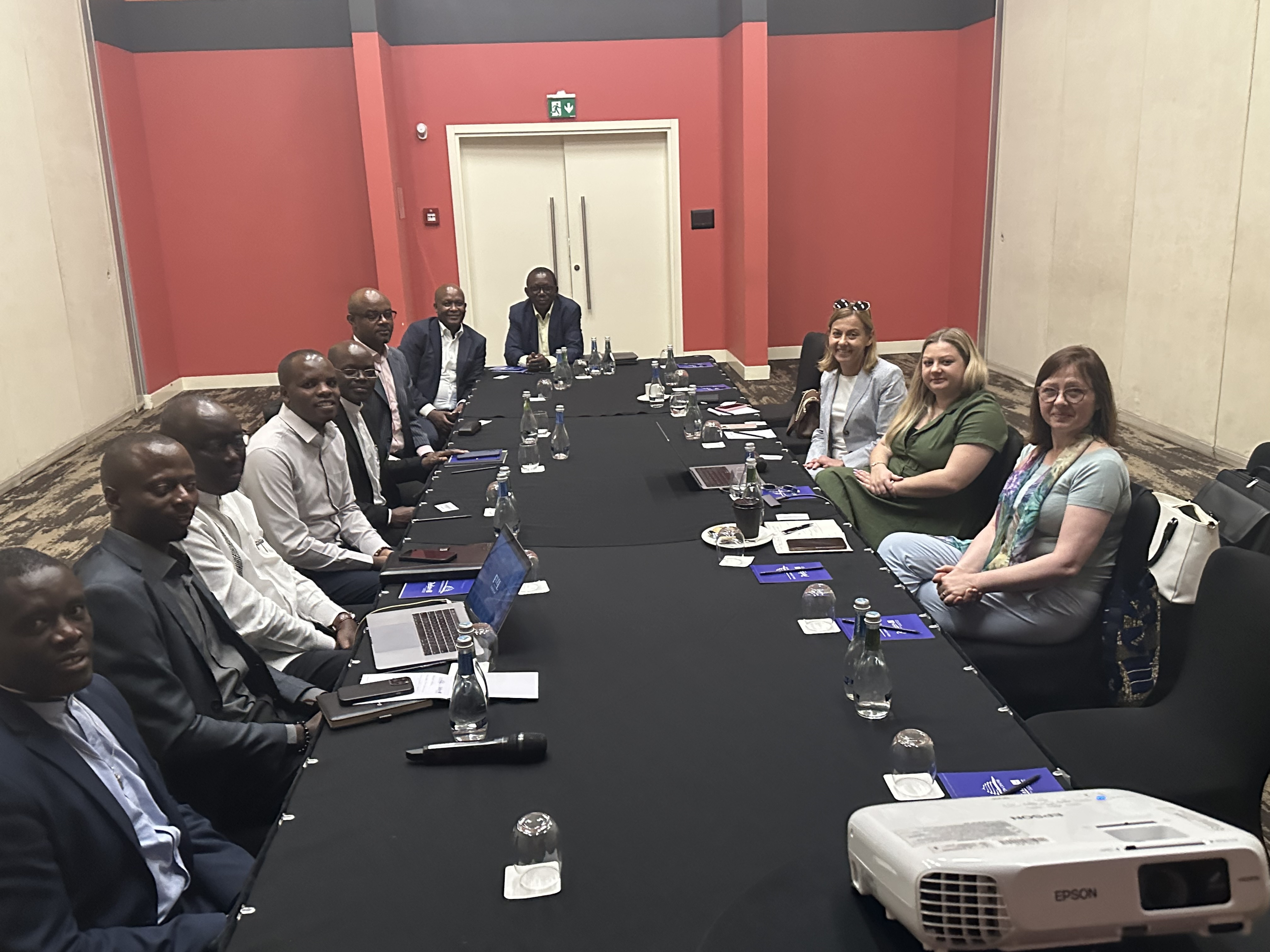
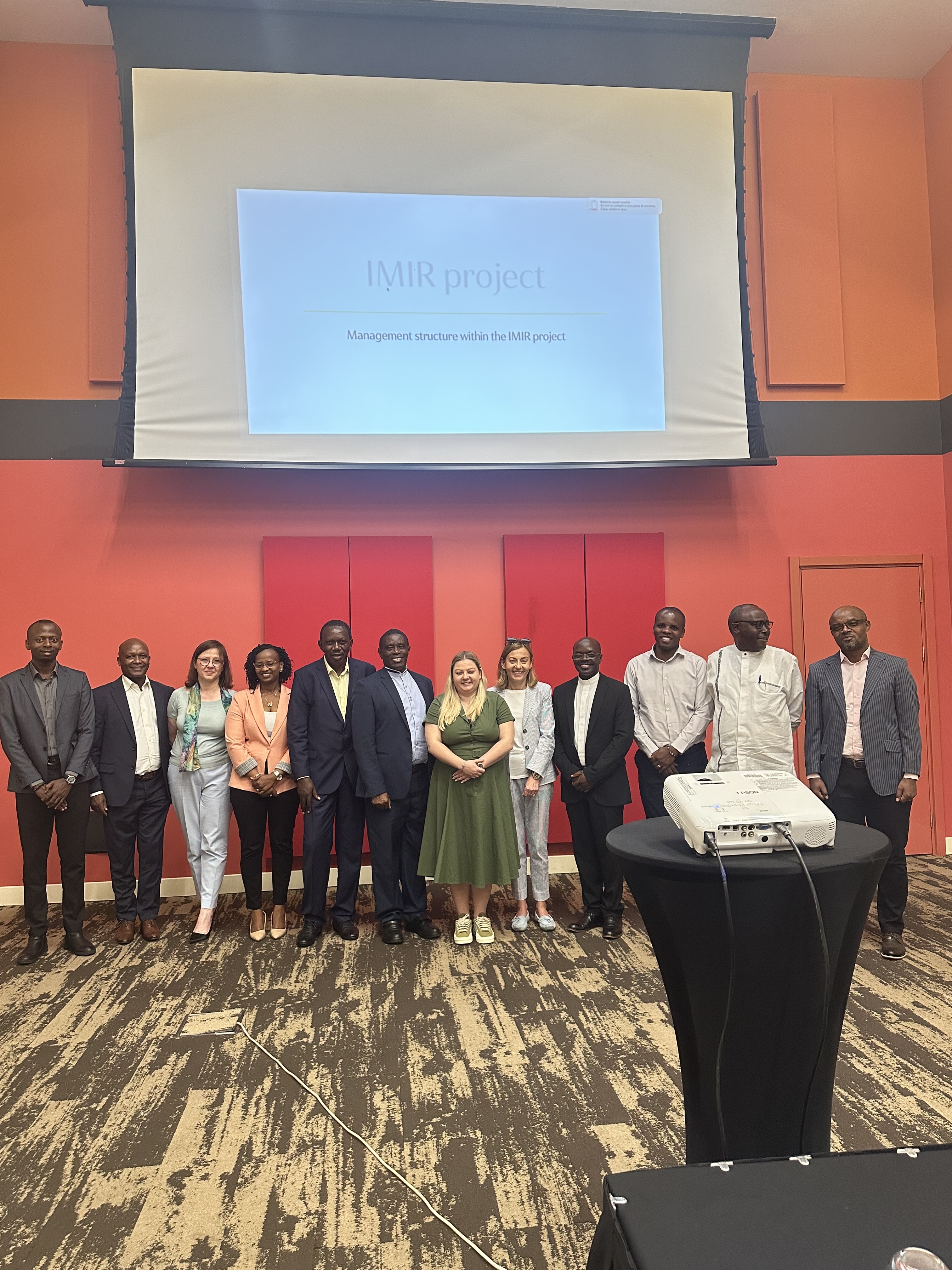
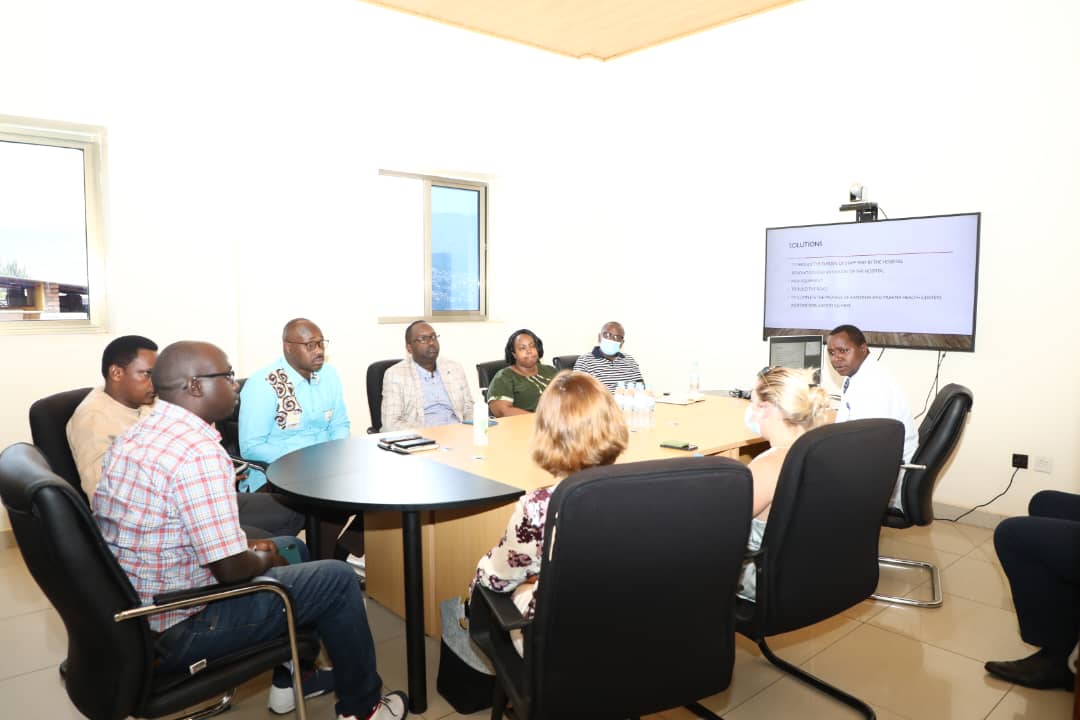
Met with the biomedical institute to develop collaboration around IMIR — Innovative Medical Infrastructure in Rwanda. The programme is designed as a coordinated medical infrastructure initiative rather than a standalone construction project, combining new facilities, hospital modernisation, energy resilience, technology transfer, and future workforce development.
The planned scope includes two new hospitals; expansion and modernisation of the hospitals in Nyagatare and Muhima; seven medicalised health centres; a hotel supporting medical tourism; and the Integrated Biomedical Institute.
The strategic objective
Use modern medical, energy, and construction technologies to strengthen Rwanda's healthcare capacity while building long-term cooperation between Poland and Rwanda through knowledge transfer, medical education, and technology exchange.
Project scope
→Two new hospitals and the expansion and modernisation of Nyagatare and Muhima hospitals
→Seven medicalised health centres and an Integrated Biomedical Institute
→Hotel infrastructure to support Rwanda's medical tourism potential
→Modern energy systems designed to reduce pressure on Rwanda's constrained power grid
→Poland–Rwanda medical and energy technology transfer, knowledge exchange, and education of future staff
→Positive local impact through advanced medical, energy, and construction technologies
Hospital operations and unit redistribution in Kigali
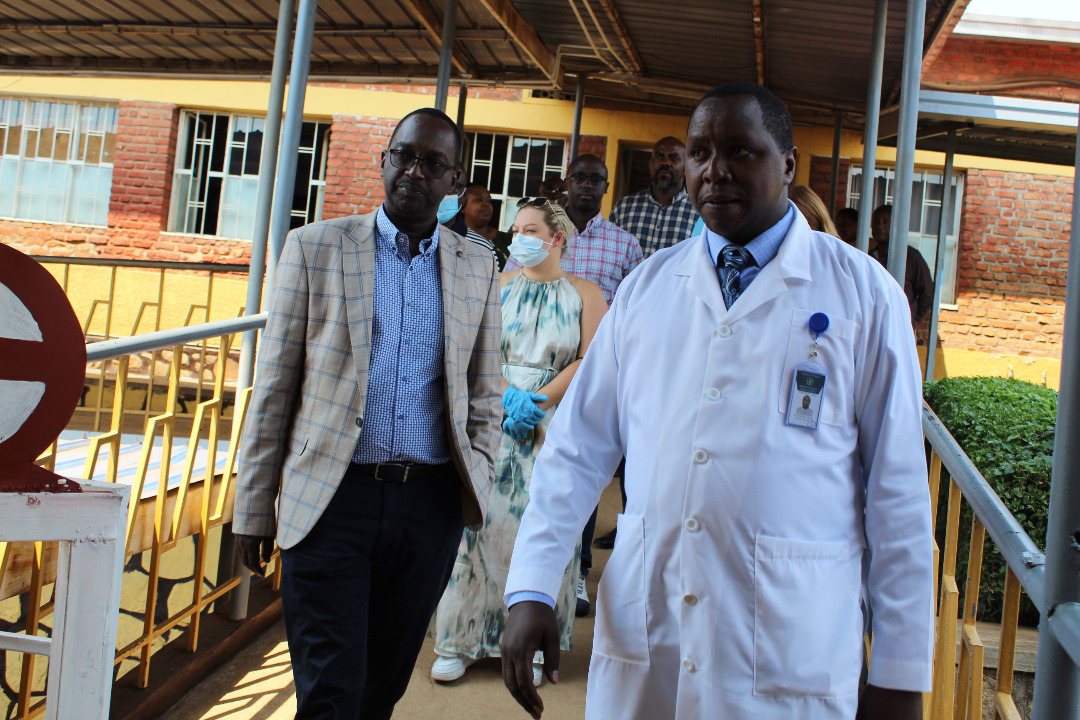
Met on site with the mayor of Kigali and the hospital's managing doctors to understand the institution's most important operational pain points. The hands-on discussion combined a physical walkthrough with a working session focused on how the hospital's infrastructure affected patient movement, staff workflows, logistics, and the daily use of clinical space.
A central challenge was that the hospital had developed piece by piece over time. Its older infrastructure and fragmented expansion meant that units were not positioned around an efficient operational flow, creating unnecessary movement, delays, and pressure on available space.
The proposed response
Develop a practical redistribution plan for the hospital's units, improving the relationship between clinical functions so that patients, staff, materials, and services could move through the hospital with less time and space consumption.
Focus areas
→On-site operational assessment with city leadership and managing doctors
→Identification of infrastructure, workflow, and internal logistics bottlenecks
→Analysis of how incremental construction had fragmented hospital operations
→Unit redistribution plan designed to reduce movement, delays, and space consumption
Geography
Kigali, Rwanda
EducationEnergyRwandaPublic Infrastructure
04 / 14
Public school renovation and green energy transition in Kigali
Collaborated with the Ministries of Education and Energy on the renovation of two major public schools in Kigali. The project moved beyond building upgrades, focusing on a transition from wood and pellet-based energy infrastructure to solar panels and smart energy grid systems.
The mandate
Modernise public education infrastructure while replacing legacy school energy systems with cleaner, smarter, and more resilient alternatives.
Focus areas
→Renovation of two key public schools in Kigali
→Replacement of wood and pellet systems with renewable energy infrastructure
→Solar panel integration and smart energy grid planning
→Cross-ministry coordination between education and energy priorities
Geography
Kigali, Rwanda
AgriTechRwandaIoTFarmer Cooperatives
05 / 14
Robotics, IoT monitoring, and new farming models in Rwanda
Worked on an agricultural innovation concept designed to help farmers acquire advanced robotic tools and IoT systems for monitoring and controlling farmland. The systems were intended to detect abnormalities, anticipate weather-condition changes, and allow farmers to plan work, materials, and procurement in advance.
The project also included the formation of a farmer cooperative to support new farming methods, including rotation farming and the introduction of grain and fruit types with stronger economic viability.
The mandate
Create an adoption pathway for advanced agricultural technology that could work not only technically, but also economically and organisationally for farmers.
Focus areas
→Robotic agricultural tools and advanced monitoring systems
→IoT alerts for farm anomalies and weather-condition changes
→Farmer cooperative model for shared implementation
→Rotation farming and more economically viable crop planning
Geography
Rwanda — agricultural innovation
Market EntryAfrican UnionEU-AU FrameworksSustainable Development
06 / 14
EU-Africa private sector dialogue at the African Union
Met with Her Excellency Madame Monique Nsanzabaganwa, Deputy Chairperson of the African Union, to discuss the current legal frameworks for collaboration between the African Union and the European Union, and the crucial role of the private sector in that relationship.
The discussion covered just transition, sustainable development, and how technology companies and startups can actively participate in these frameworks. It also marked a starting point for partner development across African Union territory.
Focus areas
→EU-AU collaboration frameworks and private-sector participation
→Technology company and startup pathways into just transition priorities
→Sustainable development positioning across African Union territory
Geography
Addis Ababa, Ethiopia — African Union
Market EntryInvestor StatusManufacturingRwanda
07 / 14
Investor status for manufacturing sites in Rwanda
Supported the process of obtaining investor status for three companies planning to open manufacturing sites in Rwanda. The planned activities covered solar panel and battery production, as well as pharmaceutical drug development with subsequent clinical trials.
The mandate
Move companies from interest in the Rwandan market toward formal investor positioning and practical manufacturing-site establishment.
Focus areas
→Investor-status pathway for three companies
→Manufacturing-site planning for solar panel and battery production
→Pharmaceutical drug development and clinical-trial positioning
Led the full development cycle of five distinct projects inside Egypt's Suez Canal Special Economic Zone — covering hydrogen storage technology, pharmaceutical and drug development, waste-to-energy systems, and industrial waste management. Managed every stage from initial contact establishment through company incorporation, land allocation negotiations, regulatory approval, and final contract execution.
The challenge
Operating inside a Special Economic Zone requires navigating a parallel regulatory and institutional framework. Most European companies fail at the establishment phase — before a single project activity begins. The mandate was to make each of 5 projects operational end-to-end.
Key outcomes
→Hydrogen storage technology project established and operational within the Sczone framework
→Pharmaceutical and drug development project — company incorporated, approvals secured, contracts signed
→Waste-to-energy and industrial waste management projects fully negotiated and contracted
→Full regulatory clearance across all 5 projects — land allocation, licensing, and operational approvals
→Established a replicable entry framework for European companies targeting the Sczone special economic zone
Geography
Suez Canal Economic Zone, Egypt
Market EntryEnergyCarbon CreditsTelecomSouthern Africa
09 / 14
Green economy and telecom development in Namibia
Worked across two strategic sectors in Namibia: green coal transition and carbon credit project development in the energy sector, and telecommunications infrastructure projects. Namibia represents a strategically important position in Southern Africa's green economy transition, with significant EU alignment potential for European companies in the clean energy and connectivity space.
The challenge
Green coal transition and carbon credit projects require a specific combination of technical, regulatory, and commercial expertise that most European advisors lack. The carbon credit market in particular demands deep understanding of both international standards and local ecosystem dynamics.
Key outcomes
→Green coal transition project structured and progressed through stakeholder alignment and technical scoping
→Carbon credit programme developed with alignment to international verification standards
→Telecommunications infrastructure projects scoped and partnerships identified in the Namibian market
→Created a sustainable entry corridor for European green economy companies in Southern Africa
Geography
Namibia — Southern Africa
EU ProgrammeAgriTechEIT FoodHub DirectorHorizon 2020Startup Ecosystem
10 / 14
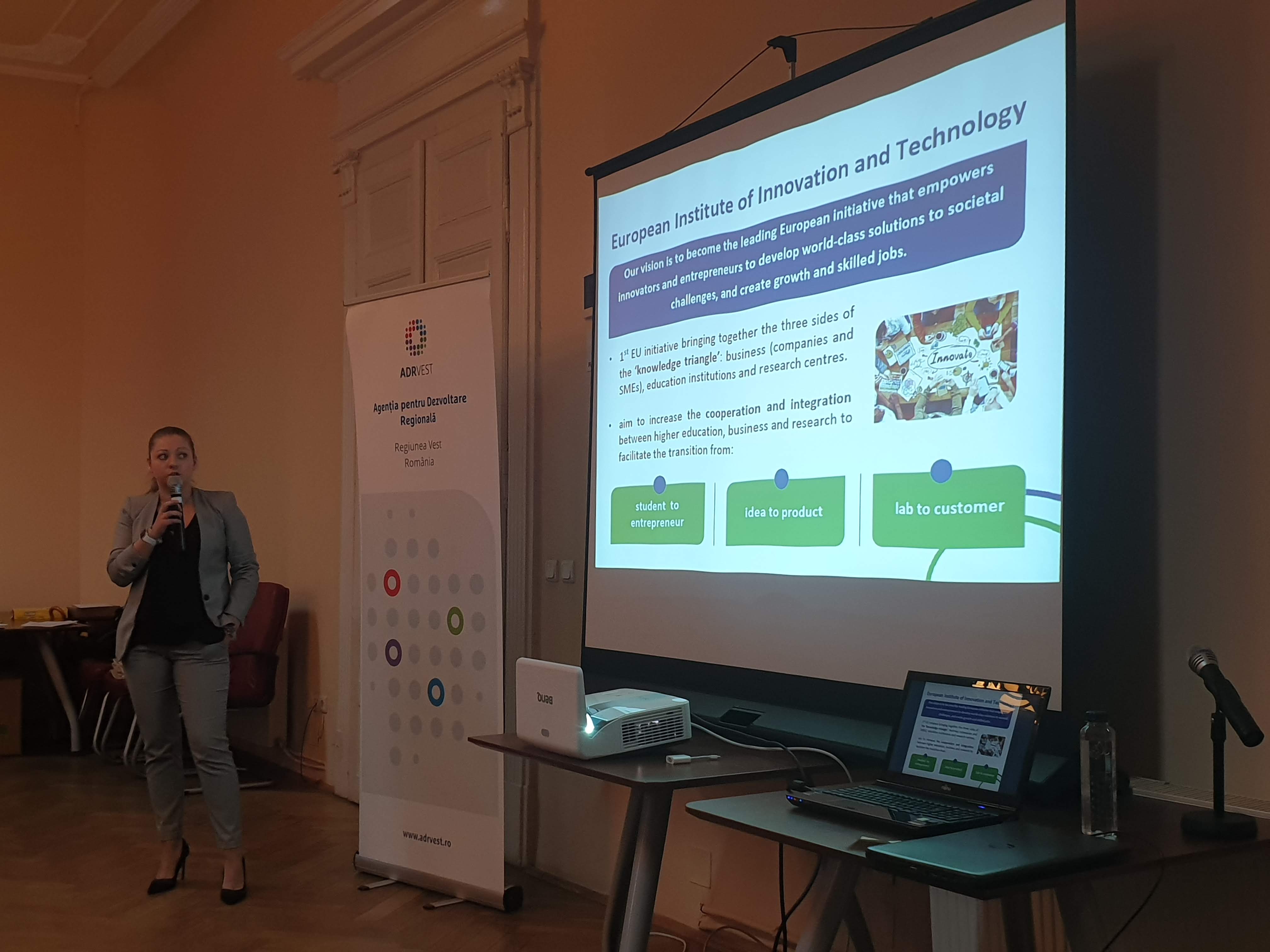
National Hub Director, EIT Food Romania
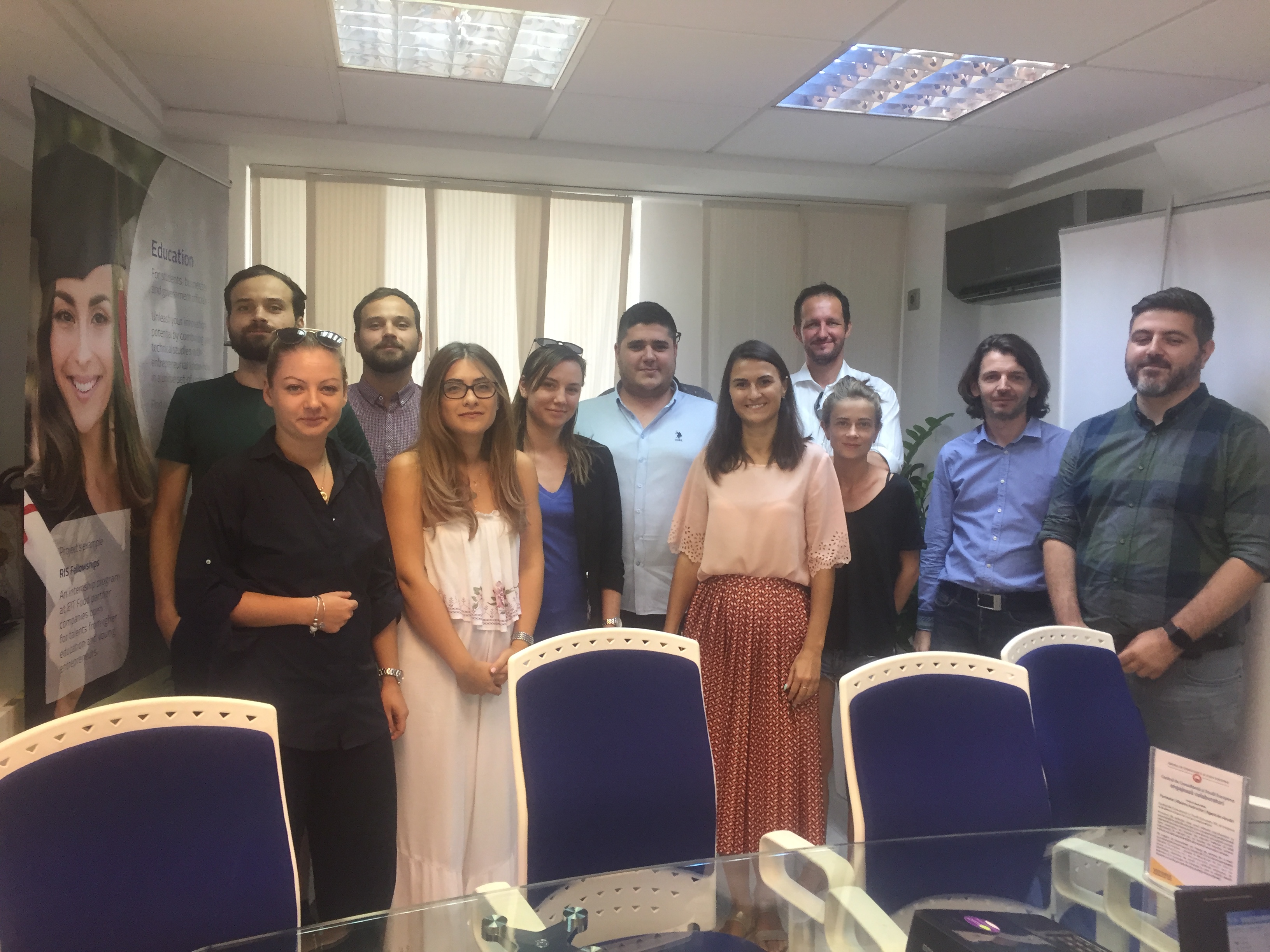
Ran the Romanian national hub of EIT Food — one of Europe's largest public-private agrifood innovation partnerships, backed by the European Institute of Innovation & Technology. Responsible for activating the full national ecosystem: building and managing a 50+ organisation stakeholder network, running Demo Days and pitching competitions, recruiting for RIS Fellowships, Rising Food Stars, Government Executive Academy, RIS Policy Council and the R&D Expert Community, and executing a Horizon 2020 project on quinoa cultivation and food system innovation.
The mandate
Establish EIT Food as the central node of agrifood innovation in Romania — connecting universities, startups, SMEs, accelerators, and research institutions into a functioning national ecosystem, and funnel the strongest Romanian agrifood talent into EIT's pan-European programmes.
Key outcomes
→Built and managed a 50+ contact stakeholder network spanning business, higher education, and research/innovation across Romania
→Organised Demo Days in Bucharest and at Techcelerator, with 13 food startups pitching and 2 nominated for Innovation Prize
→Ran awareness events in Galati, Teaca, and Timisoara in collaboration with regional innovation partners
→Recruited candidates for RIS Fellowships, Rising Food Stars, RIS Policy Council, R&D Expert Community, and Government Executive Academy
→Executed Horizon 2020 PROTEIN2FOOD activities connected to quinoa cultivation and food system innovation
→Managed Start Up Vest and Start Up Centru EU programmes — 310 entrepreneurs trained, 38 startups funded up to EUR 40,000 each
Lectures and knowledge transfer for Smart Farming 4.0
Contributed a hub manager and educator perspective to Smart Farming in the Fourth Industrial Revolution — Smart Farming 4.0 All. Led by the Via Pontica Foundation, the 24-month Erasmus+ Strategic Partnership brought education providers and industry stakeholders together to strengthen practical skills, vocational training, innovation capacity, and labour-market relevance.
The project combined extensive stakeholder research with the creation of a freely accessible Smart Farming Handbook and dedicated training curricula. Participating experts were prepared as carriers of innovation, able to transfer the methods and learning back into their own regions and professional communities.
The educational objective
Connect the worlds of education, training, and work through practical lectures and transnational knowledge exchange, making advanced farming methods understandable and transferable to educators, young professionals, and regional innovation ecosystems.
Programme contribution
→Lectures connecting European innovation programmes, entrepreneurship, and smart farming technologies
→Training curricula designed to develop experts as regional carriers of innovation
→Smart Farming Handbook developed for free dissemination among interested stakeholders
→Stronger cooperation between education and training institutions, employers, and sector professionals
→Focus on aquaponics: integrated fish and plant production using recirculating water and natural nutrient cycles
→Erasmus+ grant of EUR 155,095 supporting the partnership from December 2019 to November 2021
Startup jury and investment-readiness evaluation at Fundable
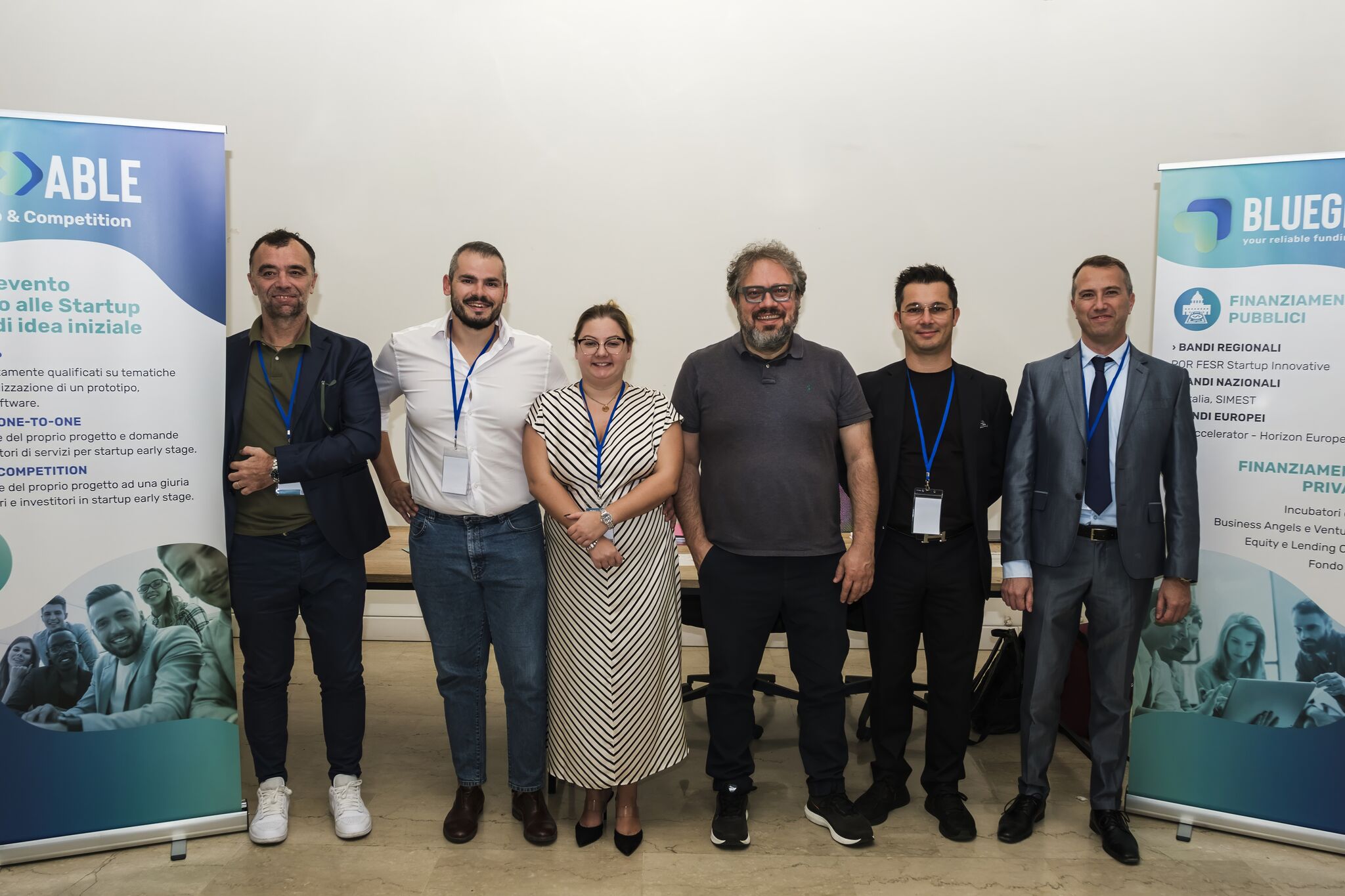
Served as a jury member for the Fundable startup event in Bologna — an intensive full-day competition bringing together 40 startups, innovators, and entrepreneurs. The role involved assessing business ideas, innovation quality, market relevance, execution capacity, and the ability of each team to communicate a credible path from concept to a fundable venture.
The first edition was won by GeneSys Bio, recognised for an accessible medical device enabling rapid infection detection at the point of need. Plasma TechMED and General Tag placed second and third, alongside a diverse finalist group spanning medical technology, digital services, sustainability, and industrial innovation.
The evaluator perspective
Jury work provides a direct view into how promising ventures are assessed under pressure: whether the problem is material, the innovation is differentiated, the market logic is credible, and the team can turn technical potential into a compelling and investable business case.
Event contribution
→Evaluated a field of 40 startups during a full-day competition in Bologna
→Assessed innovation, business model, market potential, execution readiness, and pitch quality
→Applied grant and investment-readiness experience from both evaluator and programme-management perspectives
→Selected GeneSys Bio as the winning startup for its rapid and affordable infection-detection medical device
→Recognised Plasma TechMED and General Tag as second- and third-place ventures
Event
Fundable · Bologna, Italy
EU GrantsAgriTechEnergySmart GridsEco-Logistics
13 / 14
Strategic innovations in sustainable engineering and eco-logistics
Synthesised strategic insights across multiple high-tech proposals submitted to the European Innovation Council and the Innovation Fund. The evaluated projects focused on European Green Deal priorities, Industry 4.0 transition, carbon neutrality, automated agricultural robotics, decentralised renewable energy storage networks, and zero-emission manufacturing systems.
The portfolio included autonomous crop monitoring robots, advanced photosynthetic sensing, hybrid power bank architecture for local energy enclaves, hydrogen storage, hybrid green powertrains, and automated industrial eco-warehousing.
The strategic pattern
Across sectors, the strongest proposals combined technical depth with a credible risk framework: prototype validation, regulatory adaptability, financial resilience, and a clear path from innovation narrative to market deployment.
Themes covered
→Autonomous crop monitoring and photosynthetic sensing for greenhouse optimisation
→Decentralised smart grids using lithium-ion, vanadium flow, and green hydrogen storage
→High-pressure hydrogen containment and composite pressure-vessel strategy
→Hybrid green powertrains, eco-composite hulls, and automated zero-emission warehousing
→Cross-project risk management for regulatory, technical, liquidity, and market-adoption barriers
Funding context
EIC · Innovation Fund · European Green Deal
EIC GrantEnergyHydrogenDeep TechSczone Egypt
14 / 14
HydroTank — hydrogen storage from EIC to Sczone
Managed the full lifecycle of HydroTank — an innovative hydrogen storage system based on multilayer macromolecular polymers, designed to withstand high pressures for use in hydrogen-electric vehicles. The project spanned two strategic contexts: securing EIC funding support in Europe, and independently establishing HydroTank as one of five operational projects inside Egypt's Suez Canal Special Economic Zone, where it became one of the anchor industrial projects.
The challenge
Hydrogen storage technology sits at the intersection of deep tech and industrial infrastructure — requiring both a compelling EU innovation narrative for EIC evaluators and a completely different execution approach for the Sczone regulatory and commercial environment. Operating both simultaneously required two distinct strategic frames.
Key outcomes
→EIC application developed — multilayer polymer hydrogen tank positioned as a strategic EU energy sovereignty technology
→Parallel market entry into Egypt's Sczone — company establishment, land allocation, regulatory approvals, and contract execution all completed
→One of five industrial projects successfully anchored inside the Suez Canal Special Economic Zone
→Demonstrated the strategic link between EU non-dilutive funding and emerging market commercial deployment — a model now core to Vektor's advisory approach
A 30-minute call can change your funding trajectory.
I'll tell you exactly which EU instruments are open and relevant for your company, and whether your innovation profile is strong enough to win. No obligation. No jargon.
Get in touch — 01
Three ways to reach us.
📧
Email
For detailed briefs, document sharing, or longer introductions.
Share a few details about your project so I can understand your situation and assess it before we speak. The more context you give, the more useful our first conversation will be.
This form will open your email client pre-addressed to claudia@vektor-advisory.com. I respond within 48 hours.
FAQ — 03
Common questions before the first call.
How long does a grant application take?
It depends on the instrument. Cascade grants (GRAPPA, GATE 5.0, EIT sub-grants) can be submitted in 6–8 weeks. EIC Accelerator and Horizon Europe applications typically take 10–16 weeks from kick-off to submission. I scope the timeline at the Funding Audit stage so you're never surprised. The critical input: don't start 4 weeks before a deadline. EU grant applications are not a sprint.
Do you work on success fees?
Yes — a success fee of 3% applies upon grant award, in addition to the project fee. This aligns my incentives directly with your outcome. The fixed project fee covers the full execution regardless of result; the success fee is only triggered when the grant is awarded. My advice on whether to apply remains honest either way — I won't recommend an application I don't believe in, because my reputation depends on quality, not volume.
Can US companies access EU grants?
Yes, with the right structure. Most EU instruments require the grant recipient to be a legal entity registered in an EU Member State (or an associated country). A US company can participate as a consortium partner, or by establishing an EU subsidiary. I help design the structure from day one to ensure funding eligibility is preserved as you enter the European market.
What happens at the discovery call?
It's 30 minutes. You tell us about your company, sector, stage, and what you're trying to achieve. I ask targeted questions about your TRL, revenue stage, team, and any prior EU funding history. At the end, I give you an honest first read: which instruments are worth exploring, what gaps I see, and whether a Funding Audit makes sense as a next step. No obligation, no pitch.
Do you guarantee grant success?
No ethical advisor does. EU grant success rates vary by instrument: EIC Accelerator runs at 5–8% overall, Eurostars at ~25%, cascade grants at 15–30%. What I guarantee is that every application I submit is the strongest version of your case — correct instrument, correct framing, evaluator-aligned narrative. I also tell you when not to apply, which is how I protect your time and reputation with evaluators.
How does market entry advisory work in practice?
It starts with a market intelligence brief and a clear picture of your entry objectives. I then leverage my existing relationships — government contacts in Rwanda, Sczone connections in Egypt, ecosystem partners in Namibia and the MENA region — to build a structured entry roadmap. For US-to-EU entry, it typically begins with entity structure, regulatory positioning, and consortium identification. The first milestone is always a concrete next action, not a report.
Funding Intelligence
Open calls, deadlines, and what matters now.
A curated briefing on active EU funding opportunities — updated as calls open and close. Each entry includes what's relevant, who it's for, and what to watch. No noise, no jargon.
Next deadlines — 01
30 Jun 2026
Women TechEU — First weekly cut-off
€75K non-dilutive · Women-led early-stage deep tech
The EIC has made a strategic policy shift: the Accelerator and STEP Scale Up can now support dual-use business cases spanning civilian and defence applications, including AI, quantum, advanced materials, and robotics. A new €100M STEP Defence Scale Up call will offer eligible companies in EU Member States, participating EEA countries, and Ukraine up to €30M in direct equity. The EIC expects to co-invest in major rounds of €50M–€150M or more, with total rounds at least three to five times the requested EIC investment.
OpenWeekly Tuesday cut-offsJune 2026
Women TechEU 2 EIC — €75K for women-led deep tech
The new Women TechEU call supports women-led early-stage deep-tech startups with €75,000 in non-dilutive funding plus personalised mentoring, coaching, and training. Applications now follow two stages: an Eligibility Strand first, followed by a Full Proposal for eligible applicants. Eligibility submissions are assessed through weekly Tuesday cut-offs at 17:00 Brussels time, beginning 30 June 2026 and continuing until 13 July 2027. A separate call for independent evaluators closes on 30 July 2026.
Results38 companies selected15 Jun 2026
Latest EIC Accelerator round — 38 companies secure support
The EIC selected 38 startups and SMEs from 87 companies reaching the jury interview. The package includes €90M in proposed grants and up to €202M provisioned for potential equity investments. 84% of the selected companies are eligible for blended finance, 21% are women-led, and the cohort spans 16 countries. Another 95 above-threshold applications will receive a Seal of Excellence, while 12 challenge applicants will receive a STEP Seal — evidence that a strong evaluation can still unlock alternative funding routes even without an immediate award.
OpenDeadline: 9 Sep 2026Updated June 2026
EIC Accelerator 2026 — the most competitive call in EU funding
The September cut-off is the third of four in 2026, with a budget that has historically attracted thousands of Step 1 applications. The 2026 programme covers all sectors with particular attention to AI, quantum, space, cybersecurity, clean energy, and low-emission food systems. The overall success rate sits at 5.9% — but that number is misleading. The companies that reach the jury interview phase succeed at a far higher rate. Preparation for the interview is where most funded applications are won or lost. The November cut-off (25 Nov) is the final opportunity for 2026.
What evaluators weight
Impact40%
Excellence30%
Implementation30%
Vektor note
The interview decides 50% of outcomes. 10 minutes pitch, 35 minutes of hostile investor-style questioning. Companies that rehearse their standard investor deck consistently underperform those who prepare specifically for challenge.
OpenDeadline: 10 Sep 2026June 2026
Eurostars Call 11 — the underused cross-border instrument
Eurostars is one of the most consistently underused instruments for SMEs at TRL 3+. It requires at least two entities from two eligible countries, but the direct EIC Step 2 bypass it unlocks for successful applicants makes it strategically valuable beyond its own funding envelope. Budget: €300K–500K per partner. If you have a cross-border R&D partnership, this is worth assessing before September.
OpenRolling deadlineJune 2026
Innovation Fund IF25 — the reserve list strategy
The Innovation Fund 2024 call attracted 359 applications for a budget oversubscribed nine times. 61 projects were initially selected — but 6 more from the reserve list have since been invited to start grant agreement preparation, unlocking up to €491M additional. Landing on the reserve list is a strategic outcome, not a failure. Most applicants walk away after first rejection. The IF26 round is expected Q4 2026.
Open nowAgriTechJune 2026
GRAPPA & GATE 5.0 — cascade grants for agrifood
Cascade grants remain the fastest route to first EU funding for agrifood and agritech companies. GRAPPA (up to €200K, TRL 6+, agri-food biomass valorisation) and GATE 5.0 (agriculture 5.0: AI, IoT, robotics) are both open now. Applications are 10–20 pages versus 100+ for direct Horizon, with 3–4 month decisions and 15–30% success rates. These also build EU fundability track record before larger instrument applications.
OpenDeadline: 9 Sep 2026June 2026
EIC STEP Scale Up — Series B+ deep tech equity
The EIC STEP Scale Up is open to deep tech companies at TRL 8–9 in digital, clean tech, and biotech sectors. With €300M 2026 budget and €10–30M equity tickets, this is the instrument for companies that have already proven their technology and need growth capital without further dilution beyond what the EIC Fund offers. Revenue stage and a credible scale-up plan are non-negotiable prerequisites.
InsightVektor Advisory · 2026
The 5 mistakes that kill applications
After 60+ grants executed across technology, energy, and agrifood, the same patterns appear in rejected applications. Incremental innovation framed as breakthrough. Wrong TRL claim. Market size understated or only top-down. Team gaps not acknowledged. Budget not linked to deliverables. None of these are content failures — they are strategy and framing failures. Every one of them is avoidable before writing starts.
Market EntryInsightVektor Advisory · 2026
US companies can access EU grants — if structured correctly
The assumption that EU funding is inaccessible to non-EU entities is incorrect. With the right structure — an EU subsidiary or consortium partnership with a qualifying lead — US companies can participate in Eurostars, Horizon Europe consortia, and access EIC instruments through European co-applicants. The structure must be in place before the application. Getting this wrong at setup forecloses options for years.
Not sure which call is right for your company?
A 30-minute strategy call is enough to tell you which instruments are relevant for your stage and sector, and whether your innovation profile is strong enough to win. No obligation.